
If you’ve lived in Sydney for a while, you probably know someone who’s had a pipe give out on them — or you’ve dealt with it yourself. It sneaks up. One week, the shower drains a bit slower; the next week, you’re hearing that deep, unsettling gurgle coming from the bathroom. I remember thinking, “Maybe it’s just a bit of hair in the trap.” It wasn’t.
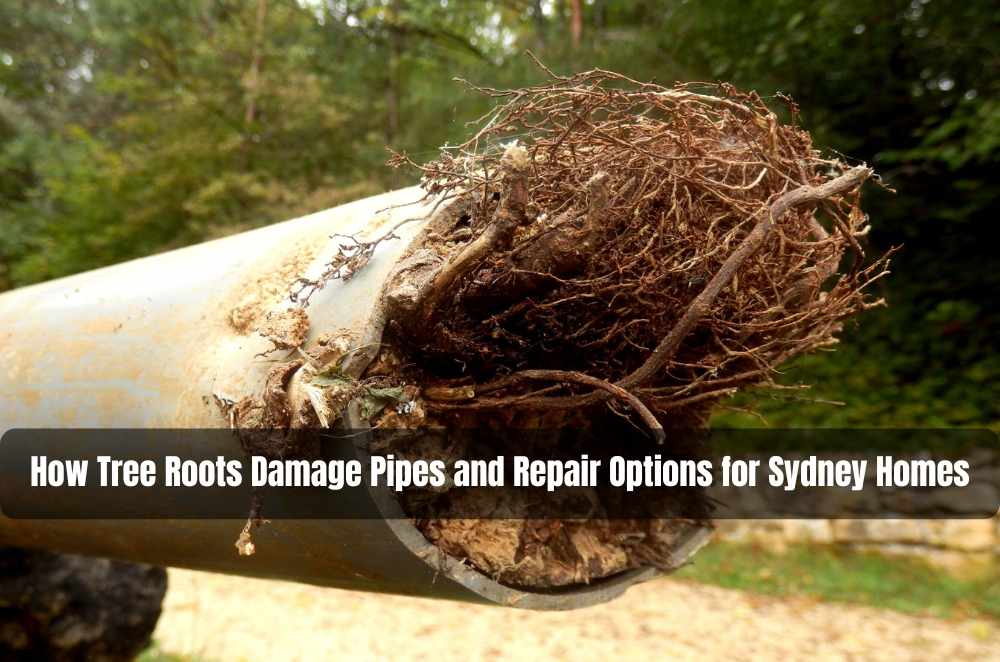
When the plumber put the camera down my line, what I saw looked like something out of a nature documentary. Roots everywhere. Bits of old terracotta are crumbling like stale biscuits. The whole thing felt oddly personal — like the house was quietly admitting it had aged a little. A lot of Sydney homeowners start searching for pipe relining services and modern Sydney pipe reline methods around this point, usually because the alternative involves jackhammers, mud, and a driveway that may never look the same again.
What “relining” really means when you’re on the receiving end
I’ll be honest: the first time someone explained relining to me, I pictured some kind of rigid plastic tube shoved into place like a straw. It’s not like that.
The process feels more like keyhole surgery for plumbing.
A liner — soft at first — gets soaked in a resin that reminds me a bit of the smell of a shed on a hot day. The team pushes it through the old pipe using the existing access point. No trenches. No digging. When they inflate it, the thing presses against the inside walls, moulding itself exactly to the shape of the old pipe. After curing, you’re left with what is essentially a new pipe hiding inside the old, damaged one.
That’s probably why guidance around property sewer responsibilities often points people toward understanding repair methods like sewage pipe relining, because the work sits right on the edge of household responsibility, meeting infrastructure reality.
Why relining beats excavation for most Sydney homes
Sydney homes have a few things in common: big trees, old pipe materials, and surprisingly shallow sewer lines in some suburbs. That’s a recipe for broken pipes.
Excavation, of course, works. Nobody disputes that. But it also means:
Turning your front yard into a worksite
Losing access to parts of your home
Concrete cutting, brick lifting, soil dumping
And the worst part — the reinstatement bill you didn’t budget for
I spoke to a bloke in Ryde last year who had a section of pipe replaced the old way. He said the plumbing job cost one amount… and the driveway repairs cost more. That’s the stuff that doesn’t get mentioned in the initial quote.
Relining, on the other hand, suits Sydney because:
Most damage is caused by root intrusions, not total collapse
Terracotta, cast iron, and old concrete pipes take to relining extremely well
Many older terraces have no rear access, making excavation a nightmare
Modern liners last for decades without needing another major intervention
A quick reality check: when relining isn’t right
It’s worth being upfront — relining isn’t the answer for every scenario. If a pipe section has totally caved in and there’s nothing left to support a liner, digging is unavoidable. Same deal if the soil has shifted so badly that the line literally sagged. Or if there’s no access point to start the process.
Most homes aren’t that far gone. But some are, especially older fibro places on hillsides or properties with decades of unchecked tree growth. A proper CCTV inspection usually gives the real story.
Why does the cost feel more predictable than traditional repairs
Sydney homeowners often say the same thing: excavation quotes start small and balloon.
Relining quotes tend to stay closer to the mark.
Why?
No “surprise” landscaping repairs
No reinstating tiles, pavers, pathways, or concrete
No machinery hire
No multi-day labour teams
Less risk of uncovering secondary issues mid-dig
If you want to explore the financial and practical upsides further, the concept of pipe relining benefits is usually the next stop. It helps frame relining as a long-term strategy, not a patch job.
How to choose someone who knows what they’re doing
Relining is one of those trades where experience shows. If you’re comparing options, a few things genuinely matter:
Ask to see the footage of your pipe, not just a generic sample
Look for a warranty that sounds like it was written by a human, not copied from a legal template
Make sure they explain the materials — epoxy resins aren’t all equal
Check they’ve handled similar Sydney suburbs or soil types
Avoid anyone who seems too eager to dig “just in case”
One of the most useful third-party explainers I found while researching my own home was a neutral write-up on why to choose trenchless pipe relining, which helped me understand the engineering behind what the plumber was proposing, not just the sales pitch.
Why Sydney homes in particular benefit from relining
Relining isn’t just a cool new trick — it fits Sydney’s infrastructure reality.
Between the jacarandas ripping up front lawns every spring, the clay pipes buried in eastern suburbs, the narrow access points in inner-city terraces, and the cost of digging up anything in a major metro area, relining solves a problem that’s incredibly local.
You avoid:
Strata dramas
Street access issues
Heritage restrictions
Property-wide disruptions
I remember the relief I felt when the team told me they wouldn’t touch the garden. I’d spent years trying to coax a lemon tree into producing fruit; the idea of it being collateral damage felt wrong. Relining saved it — and the driveway, and probably a few thousand dollars.
The bottom line: a smarter fix for the homes we actually live in
Sydney homes are quirky. Patchworked. Renovated a dozen times. Pipes running under places you don’t want strangers digging. But they’re also sturdy places worth looking after.
Modern pipe relining, for most people, hits the sweet spot:
Fast
Stable
Root-proof
Long-lasting
And crucially, quietly effective
It gets the job done without making a spectacle of it — which, honestly, is what most of us want when the plumbing goes rogue.
Conclusion
In the end, most of us don’t think much about the pipes under our homes until something goes wrong — usually at the worst possible time. What I learned, both from my own mess and from talking to half of Sydney about theirs, is that modern relining isn’t some flashy trend. Once you’ve gone through the whole pipe relining vs pipe replacement decision yourself, you realise it’s really just a practical answer to the way our houses are built, the trees we love, and the soil we’re stuck with. It gives you back a bit of certainty without turning your property into a construction zone.

Write a comment ...