
A blocked drain is rarely just “a bit slow”. It’s usually a warning shot: the shower starts pooling, the kitchen sink gurgles, the laundry smells off, or the backyard grate overflows the moment it rains. In Inner West Sydney—where older pipes, tight access, and established trees are common—small symptoms can turn into a messy weekend fast, and that’s when expert help with blocked household drains in Sydney can save time and prevent water damage.
The good news is that most blocked drains follow predictable patterns. If you respond early and document what’s happening, you can often reduce damage, avoid repeat callouts, and fix the underlying cause instead of chasing the symptom.
This guide covers the first steps that actually help, the common mistakes that make blocks worse, and a practical two-week plan to get on top of recurring issues.
Why Inner West drain block more often than people expect
The Inner West has a particular mix of plumbing realities.
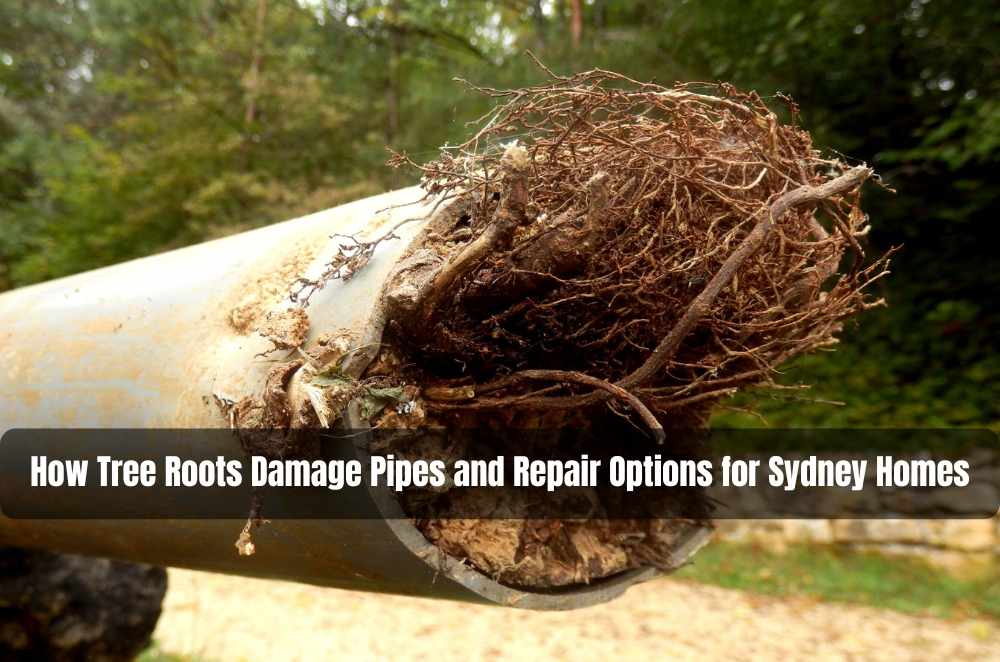
Older terraces and semis can have ageing pipework, past renovations with mixed connections, and gradients that aren’t as clean as modern builds. Add leaf litter, grease build-up, wet wipes, and tree roots (especially in established streets), and you’ve got a recipe for recurring slow drains.
Rain also plays a role. Stormwater systems can be overwhelmed by debris or poor falls, and when stormwater backs up, it can look like a mysterious “yard flooding” issue when it’s actually a blockage.
What to do in the first hour
When drains block, the first hour is about preventing damage and gathering the right clues.
1) Stop using the fixture that’s backing up
If a sink is slow, don’t keep running water “to clear it”. If a shower is pooling, don’t take another shower. Additional water can push the blockage into a worse position or cause overflow.
2) Contain and protect the area
If there’s any sign of overflow, protect nearby cabinetry, flooring, and walls. In older Inner West homes, water damage spreads quickly—especially in tight cupboards and older timber flooring.
3) Note the pattern (this is more useful than people think)
Write down what’s happening:
Which fixtures are affected (kitchen, shower, toilet, laundry)
Whether it’s slow drainage or a full blockage
Any gurgling sounds
Any smells
Whether it’s worse after rain
Whether multiple fixtures back up at once
Multiple fixtures affected often point to a main line issue rather than a single trap or branch line.
If you want a straightforward place to start when you’re documenting symptoms and organising the right fix, Sydney Blocked Drain Service for Inner West homeowners is a handy reference.
Common mistakes
Using harsh chemicals as a first response. They can be unsafe, damage pipes, and complicate professional clearing.
Ignoring early symptoms. Slow drains and occasional gurgling are often the early stages of a bigger blockage.
Assuming it’s always “just hair”. Sometimes it is—but main line issues and roots are common in the Inner West.
Running more water to “push it through”. That often creates an overflow problem.
Not checking whether rain makes it worse. Stormwater links and yard pits can change the diagnosis.
Calling without details. The faster the right diagnosis, the fewer repeat visits.
Decision factors: how to choose the right response
1) Single fixture vs multiple fixtures
One fixture affected may be local. Multiple fixtures backing up can mean a main line issue.
2) Frequency and recurrence
If the same drain blocks repeatedly, the issue is usually structural: roots, damaged pipe, poor fall, or ongoing build-up. Clearing it is only part of the solution.
3) Wet weather correlation
If problems spike after rain, think stormwater, yard pits, and debris—especially around older grates and leaf-heavy streets.
4) Access constraints
Inner West properties can be tight: narrow side access, shared driveways, courtyard pits, and strata rules. Access planning affects speed and cost.
Practical opinion: Repeated blockages are usually a “cause” problem, not a “clearing” problem.
Practical opinion: The pattern of fixtures affected tells you more than the worst symptom.
Practical opinion: Early action prevents water damage bills that dwarf the drain job.
Operator Experience Moment
The callouts that stay simple are the ones where the homeowner noticed a change early—slow drainage, a faint smell, a bit of gurgling—and stopped pushing water through. They documented which fixtures were affected and whether rain changed things. The messy callouts are the “we ignored it for two weeks, and now the laundry is overflowing” jobs. The difference isn’t luck; it’s timing and information.
A simple first-action plan for the next 7–14 days
Days 1–2: Map the symptoms
Which fixtures? When does it happen? Is it worse after rain? Note it.
Days 2–4: Reduce the common causes
Avoid putting grease down the kitchen sink, keep hair traps in place, and stop “flushable” wipes (they aren’t).
Days 3–6: Check outdoor grates and pits
Clear leaf litter and debris from visible pits and grates, especially before rain.
Days 5–8: Decide if this is recurring
If it’s happened before, treat it as a deeper cause and plan a proper investigation, not just another quick clear.
Days 7–10: Book the right assessment
Get a clear plan for what’s being done and what would trigger additional work.
Days 10–14: Set a simple prevention routine
Monthly grate check, basic kitchen habits, and early response to slow drainage.
Local SMB mini-walkthrough: Inner West drain realities
Terraces with older pipes often need a “whole system” view, not a single fixture fix.
Established trees mean roots are a realistic cause, not a rare one.
Courtyard pits and narrow access can slow work—plan access early.
Strata properties need approvals and timing, so don’t wait until an overflow forces it.
Leaf litter before rain is a predictable trigger for stormwater issues.
Across the Inner West, early documentation and faster action reduce repeat callouts.
Key Takeaways
Inner West blockages are often driven by older pipes, roots, build-up, and debris—especially after rain.
In the first hour, stop using the affected fixture, contain any overflow risk, and document the pattern.
Avoid harsh chemicals and “push it through” habits that cause worse damage.
A 7–14 day plan helps you fix causes and reduce repeat blockages.
Common questions we hear from businesses in Sydney
Q1) How do we tell if it’s a main drain blockage?
Usually, multiple fixtures backing up (or gurgling across rooms) suggest a main line issue. A practical next step is to note which fixtures are affected and whether a toilet or the lowest drain is involved. In Inner West homes, older main lines and roots can make main blockages more common.
Q2) Why do blockages come back after they’re cleared?
It depends, but in most cases it’s because the underlying cause wasn’t addressed—roots, damaged pipe, poor fall, or ongoing build-up. A practical next step is to treat repeat blockages as a signal to investigate, not just clear again. In Sydney’s older suburbs, pipe condition often matters.
Q3) Should we use drain chemicals?
Usually, it’s better to avoid harsh chemicals because they can be unsafe and may damage pipes or complicate professional work. A practical next step is to stop using the drain, document symptoms, and seek proper clearing if it persists. In Inner West terraces, older pipes can be less forgiving.
Q4) What can we do to prevent blocked drains long-term?
In most cases, prevention is simple habits: keep grease out of sinks, use hair traps, avoid wipes, and clear outdoor grates regularly. A practical next step is to set a monthly “grate check” reminder and respond early to slow drainage. In leafy Inner West streets, stormwater debris is a common trigger.




Write a comment ...