
Most people don’t call a plumber the first time a sink slows down. You try hot water. You poke around the grate. You give the plunger a heroic 30 seconds and hope the universe rewards effort.
Sometimes it does.
But there’s a moment, usually after the second or third “fix,” or after the smell arrives, when a blocked drain stops being a nuisance and starts behaving like a system problem. In Sydney, that can be as ordinary as kitchen grease gradually narrowing an older pipe, or as disruptive as tree roots working their way into a cracked sewer line. The common thread is that the symptom (slow drainage) doesn’t tell you the whole story.
A professional drain blockage plumber’s job isn’t just to get water moving again. It’s to work out why it stopped moving in the first place, choose a clearing method that fits the pipe and the blockage, then confirm the line is actually clean, not just “open enough for now.”
The early signs people ignore (until they can’t)
Blocked drains rarely arrive with a single dramatic bang. They build.
You’re plunging more often than you used to
If a plunger has become part of your bathroom décor, that’s a clue. Repeated plunging often means there’s a developing restriction further along the line, not just a one-off clog in the trap.
One fixture sets off another
Run the washing machine and the shower suddenly gurgles. Flush the toilet and the laundry tub bubbles. When fixtures start “talking” to each other, it often points to a shared line struggling to vent or drain properly.
The smell isn’t a one-day thing
A quick whiff can come from a dry floor waste (especially in a guest bathroom), but persistent sewer odours, particularly if they spike when you run water, suggest waste or sludge is sitting where it shouldn’t.
Water is rising where it shouldn’t
Overflow around a floor waste, an outdoor gully, or the base of a toilet is the big red flag. It’s not just messy; it can damage floors and skirting, and it’s a hygiene risk. If you’re seeing this, treat it as urgent.
Why DIY fixes often feel like they work (and then don’t)
A lot of quick fixes create a small channel through the blockage. Water drains, you relax, and the problem goes quiet, until the channel closes again.
That’s especially common with:
Grease build-up: In kitchens, fats cool and cling to pipe walls. Over time, they collect food debris and harden. You might “clear” the middle but leave a thick coating behind.
Hair and soap scum: Bathroom lines narrow gradually. Pulling out a small hair plug near the grate doesn’t always address the long, sticky build-up deeper in the pipe.
“Flushable” wipes: They don’t break down the way people assume. They snag, mat together, and act like a net for everything else.
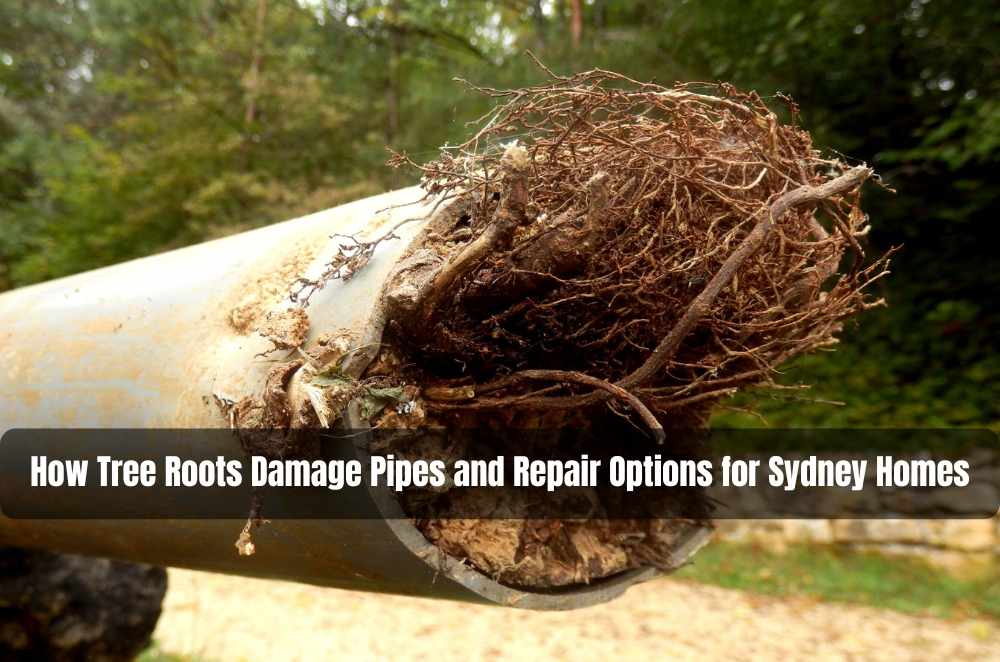
Tree roots: In many Sydney suburbs with established trees, roots can exploit tiny faults in older pipework. You can remove roots today and still have an entry point that invites them back.
The takeaway isn’t “never DIY.” It’s that if a blockage is recurring, or if multiple fixtures are involved, guesswork gets expensive in time, damage, and repeat call-outs.
What “professional” looks like in real life
There’s a difference between someone who can force a drain to move and someone who can solve the reason it stopped.
Start with the question: where is it, and what is it?
Professionals often use a drain camera (CCTV inspection) when the symptoms suggest a deeper issue, when the blockage keeps returning, or when there’s a risk the pipe itself has been damaged. A camera turns assumptions into evidence: build-up, roots, a displaced joint, or a collapsed section.
That matters because the “right” tool depends on the cause.
Clearing isn’t one tool, it’s picking the right tool
Two common approaches are:
High-pressure water jetting: Think of this as a powerful, controlled clean. It can scour grease and sludge off pipe walls and clear longer runs more thoroughly than a simple punch-through.
Electric eel / drain cable: A mechanical cable that can break up certain obstructions and work through tight bends or specific access points.
A good operator matches method to situation, especially in older plumbing where pipe material and condition can vary. The goal isn’t just to restore flow; it’s to avoid creating a bigger problem by using the wrong technique in the wrong line.
The underrated final step: checking the result
This is where a lot of “it’ll do” work falls down. It’s possible to clear a path without properly removing the surrounding mess. If the pipe is still lined with grease or partly blocked by debris, the next clog forms faster and you’re back to square one.
Verification can be as simple as confirming strong, consistent flow, or as thorough as a follow-up camera check when recurrence is a concern.
The Sydney factor: why blockages can be stubborn here
Sydney’s housing mix is part of the story. Some areas have older pipework, renovations that combine old and new drainage runs, and gardens with mature trees close to sewer lines. Add heavy rain events that can load stormwater systems with leaf litter and silt, and you get a city where “random” blockages are often predictable.
If you’re dealing with repeats, it’s worth thinking in systems:
What goes down the line every day (kitchen habits, bathroom products, laundry lint)?
Has anything changed recently (new dishwasher, renovated bathroom, landscaping)?
Does the problem appear after rain (stormwater vs sewer clues)?
Is the issue isolated (one fixture) or shared (multiple fixtures)?
Even without technical language, those observations help a plumber narrow the problem faster.
Choosing a drain blockage plumber without getting swept up in the panic
When water is backing up, it’s easy to say yes to the first person who answers. A calmer approach, when you can take a breath, usually leads to a better outcome.
Look for clear diagnosis, not just confidence
A straightforward explanation of what they suspect, how they’ll confirm it, and what tools they’ll use is often a better sign than dramatic guarantees.
Ask what “cleared” means
Does it mean “water is moving,” or does it mean “the line is cleaned and checked”? If you’ve had the problem before, this question matters.
Don’t be shy about pipe condition
If you live in an older property or the issue keeps returning, it’s reasonable to ask whether a camera inspection is recommended, and what the likely causes are (build-up vs roots vs damage). The answer should be specific, not generic.
Be wary of chemical quick fixes as a default
Some chemical drain openers can be harsh on pipes (and on you, if splashed), and they don’t solve structural issues. If someone’s solution starts and ends with “we’ll pour something down it,” you can ask what happens if it blocks again.
A practical reference point for what to expect
If you want a plain-English sense of how a professional call-out is commonly structured, diagnosis, selection of clearing method, and verification, this overview of blocked drain services is a useful benchmark to compare against: a professional drain-clearing approach in Sydney.
Key Takeaways
A one-off slow drain can be simple; recurring blockages or multiple affected fixtures usually aren’t.
DIY fixes often create a temporary channel rather than removing the underlying build-up or cause.
CCTV inspection can turn guesswork into evidence, especially for repeat issues or suspected pipe damage.
High-pressure jetting and drain cables solve different problems; good outcomes come from matching method to cause and pipe condition.
When choosing a plumber, prioritise clear diagnosis, transparent scope, and confirmation that the line is properly clear.



Write a comment ...