
A blocked drain is rarely “just slow” for long.
In Western Sydney, it often turns into a wet-floor, bad-smell, cancelled-plans situation faster than people expect.
One rainy evening, one extra load of laundry, or one kitchen clean-up can be the tipping point.
The aim here isn’t to turn anyone into a plumber.
It’s to help you make calmer decisions early, reduce water damage risk, and avoid paying for the same problem twice.
Why Western Sydney blockages get messy fast
Western Sydney homes and small commercial sites see a mix of conditions that make minor drainage issues escalate: heavy storm bursts, leafy streets in some pockets, lots of hard surfaces feeding stormwater quickly, and older or modified pipework in established areas. These same factors also increase demand for a blocked toilet repair service when internal drainage problems quickly spread beyond a single fixture.
Blockages also build quietly. Kitchen lines collect grease and soap film over time, then trap scraps. Bathroom lines accumulate hair and product residue. Stormwater pits catch leaves, grit, and roof debris and can choke the moment a decent downpour hits.
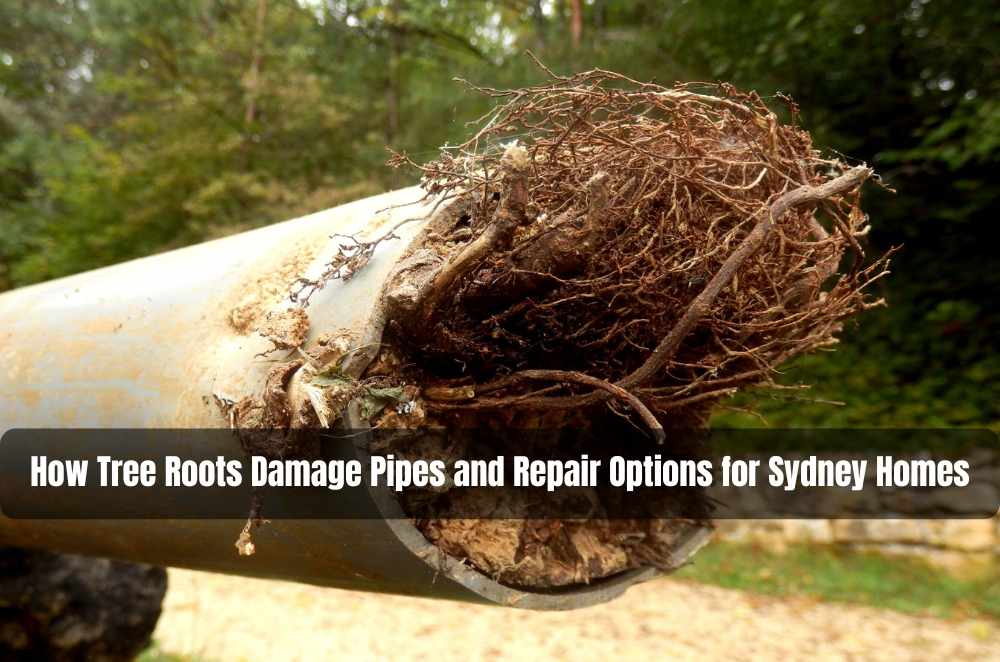
A common pattern is “it clears itself, then returns.” That usually means there’s a catch point—something inside the line that keeps grabbing debris (build-up, roots, a damaged section, or poor fall).
First-hour actions that prevent water damage
1) Stop using the affected fixtures
If the shower is pooling, don’t run it again “to test it.” If the kitchen sink is slow, don’t keep flushing it with hot water. More water can turn a blockage into an overflow, especially if the restriction is in a shared or main line.
2) Contain the mess before it spreads
Put towels down, protect cupboard bases, and move anything porous away from the overflow zone. Water under cabinets and into timber flooring becomes a repair bill far larger than the drain job.
3) Work out if it’s a local or a main-line problem
A single slow basin can be a local issue. Multiple fixtures backing up (kitchen + laundry, or shower + toilet) suggests a main line is struggling.
Note what’s affected, what’s gurgling, and whether the lowest drain in the property is involved (often where main-line problems show first).
4) Check whether rain is part of the trigger
If the yard pit overflows after rain, or everything slows during storms, stormwater lines, pits, and debris are suspects. This changes what “the fix” needs to be.
If you want a quick checklist for what to note before you call and how to reduce mess fast, the local drain unblocking team in Western Sydney is a handy reference.
Common mistakes that make blocks worse
Starting with harsh chemicals. They can be unsafe, might damage older pipework, and can complicate later clearing.
Running more water to “push it through”. That’s how slow drains become overflows.
Assuming it’s always hair. In Western Sydney, stormwater debris, build-up, and occasional roots can be just as common.
Ignoring early warning signs. A gurgle today is often a blockage tomorrow.
Treating repeat blockages like bad luck. Recurrence usually points to an underlying cause.
Not writing down the pattern. Without details, you risk paying for the wrong approach.
Decision factors: choose the response that fits the problem
Single fixture vs multiple fixtures
If it’s one sink and nothing else, the issue may be local. If multiple fixtures are affected, think main line—and prioritise preventing overflow and contamination inside the property.
One-off vs recurring
A one-off blockage can sometimes be resolved and forgotten. Recurring problems deserve diagnosis: what keeps catching debris, where it’s happening, and what needs to change so it stops returning.
“After rain” changes the whole story
When issues spike after rain, stormwater pits and lines become part of the conversation. The fix may involve clearing debris at external points or addressing a choke point that only shows itself under high flow.
Property type matters
Strata and multi-occupancy buildings can show symptoms in one unit while the cause sits elsewhere in a shared line, which is why pattern notes and timing are valuable.
Practical opinion: If it blocks twice, treat it as a cause problem, not a bad-luck problem.
Practical opinion: The pattern (which fixtures, when, and after rain) is more useful than the messiest symptom.
Practical opinion: Fast containment prevents bigger costs than most “quick fixes” ever save.
The simple habits that stop most repeats
Grease is a long-term clog maker. Wipes (even “flushable” ones) behave like fabric in pipes. Hair and soap scum build layers in bathroom lines. And the stormwater pits are basically leaf baskets that will eventually overflow if nobody checks them.
The prevention playbook is boring, but it works: scrape plates into the bin, wipe pans before washing, use a hair catcher, avoid wipes, and do a quick outdoor pit check before heavy rain.
None of this replaces proper clearing when a line is blocked, but it reduces how often you end up in urgent mode.
Key Takeaways
Stop using the affected fixtures early, and contain overflow risk before it spreads into cabinets and floors.
Multiple fixtures backing up often point to a main line issue, not a single local blockage.
Repeat blockages usually need diagnosis, not repeated “quick clears.”
If rain makes it worse, stormwater pits and debris are likely part of the cause.



Write a comment ...