
Sydney’s sandstone foundations, leafy suburbs and sudden downpours create the perfect storm for backed-up pipes. Add in decades-old clay sewers under many homes and you’ve got blockages waiting to happen. Knowing what to watch for—and acting early—can save thousands in water damage and emergency call-outs.
The Subtle Warnings Most People Miss
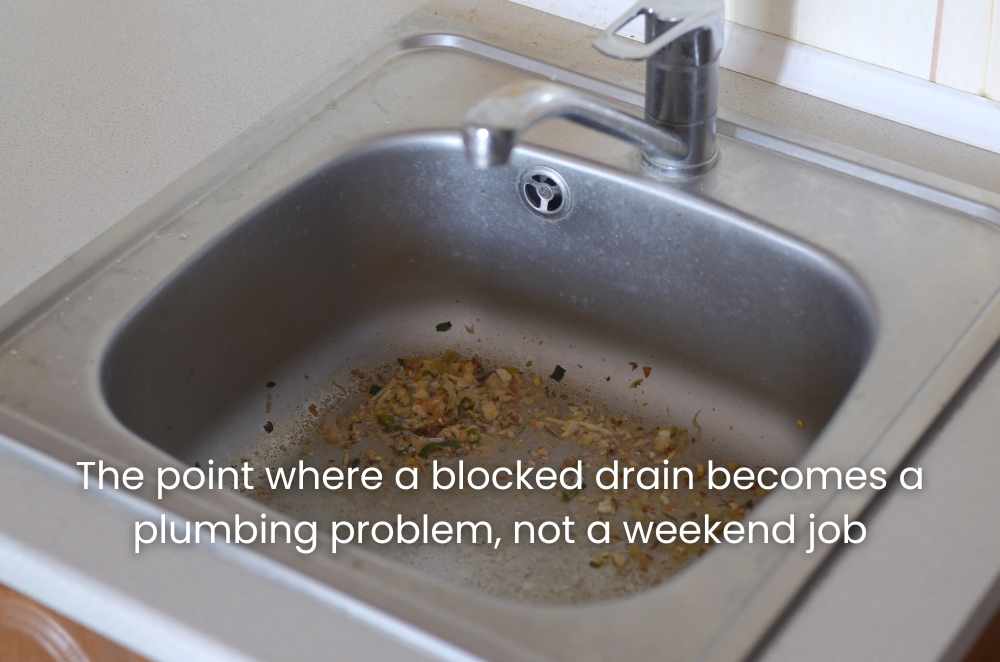
A drain rarely goes from clear to completely choked overnight. Small red flags pop up first. Water in the kitchen sink that hesitates before swirling away. A faint, musty smell near the laundry trap. The toilet flushing slower than usual after heavy rain. Each hint points to debris building inside the line.
When those hints surface, homeowners often reach for a supermarket chemical only to find the issue returns days later. That’s the moment to consider calling Sydney blocked drain experts you can trust. Professional inspection gear—cable cameras, sonar locators and high-pressure jetters—pinpoints and clears the root cause rather than masking it.
Why Blockages Love Sydney’s Mix of Weather and Architecture
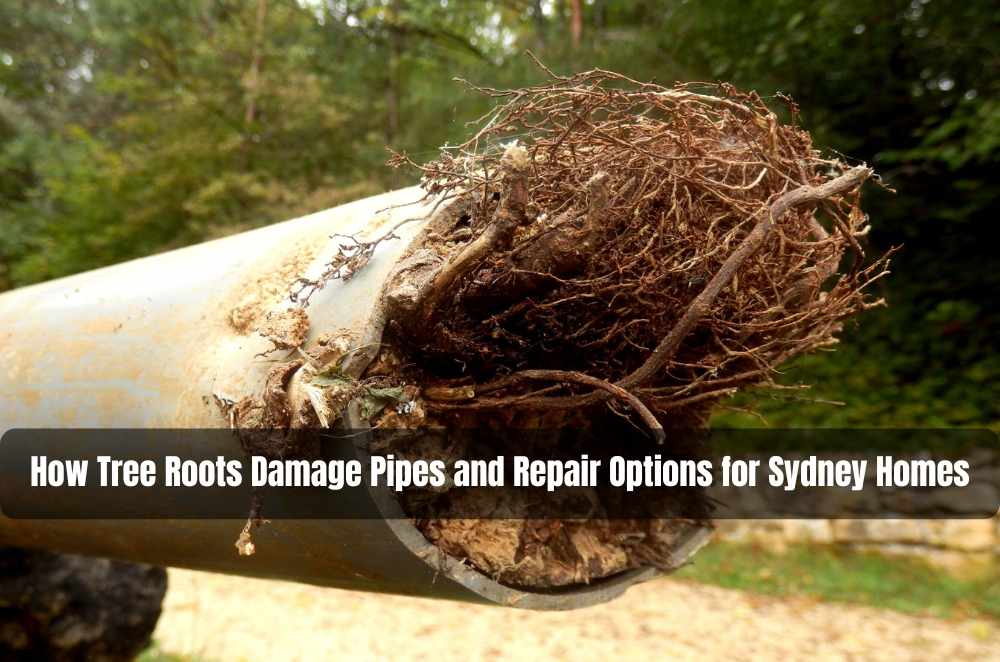
Decades of renovations have stitched together PVC, copper and ageing earthenware beneath many suburbs. Tree roots snake towards the smallest hairline crack, expanding once inside. Autumn’s plane-tree leaves settle in guttering, then wash into downpipes. Sudden summer cloudbursts overwhelm undersized storm-water pits. Together, these factors create a conveyor belt of debris toward the street main.
A 1970s villa in Campsie may have original terracotta laterals never designed for baby wipes or flushable cloths. Meanwhile, a Federation terrace in Balmain could hide illegal remodel drains buried under concrete. Both scenarios end the same way: a gradually narrowing pipe and water seeking the nearest escape path—often up through the kitchen gully or bathroom floor waste.
Practical Ways to Keep Water Moving
Simple habits make the biggest difference.
Fit fine mesh strainers in kitchen sinks to trap coffee grounds and food scraps.
Sweep driveways weekly so soil and leaf litter don’t wash into pits during the next storm.
Once a month, flush each lesser-used drain (think spare ensuite) with hot water and a dash of biodegradable detergent; stagnant traps allow grease to congeal.
If you own tall gums or figs, schedule annual root-barrier checks before trunks grow thick enough to crack pipes.
For those keen on deeper maintenance, a mid-winter CCTV survey provides a baseline “health report”. Images identify slight misalignments or hairline fractures before they invite root intrusion. A recent guide on preventative plumbing, understanding what really clogs household pipes, walks through every common culprit in detail.
When DIY Turns Risky
Caustic cleaners can soften PVC joints if over-used. Plumbing snakes in inexperienced hands may punch through pipe walls or get lodged, becoming their own blockage. And pouring boiling water down an old earthenware gully risks thermal cracking.
If gurgles grow louder or multiple fixtures back up simultaneously, the obstruction has likely moved downstream toward the property boundary. Clearing those deeper sections safely generally means hydro-jetting at pressures well above consumer hardware. Licensed plumbers carry the right nozzles and backflow-prevention gear, reducing the chance of a messy blow-back into your bathroom.
Sydney Water regulations also require professional disconnection and refit if a footpath inspection opening needs removal. Their current drainage work guidelines spell out the safety and environmental rules in detail—see the official Sydney Water guidelines for the latest specifications.
What a Professional Assessment Includes
A reputable blocked-drain specialist should arrive with:
High-Definition Drain Camera
Confirms the location of cracks, root balls or fatbergs within centimetres. This allows for targeted clearing rather than guesswork.
Water-Jetter to 4,000 PSI
Scours pipe walls without the need for excavation. The typical outcome is restoration of the pipe's full internal diameter.
Electronic Sonde Locator
Pinpoints where excavation may be required if a repair is necessary. This helps minimise disturbance to lawns, gardens or paving.
On-Site Footage Review
Shows the homeowner the exact location and nature of the fault. This can also provide useful evidence for insurance or strata records.
These tools convert what once meant days of exploratory digging into a two-hour pinpoint fix.
Budgeting for Long-Term Drain Health
Preventative jetting every two years often costs less than one emergency call-out at 9 pm during a storm. Factor that into annual property upkeep alongside gutter cleaning and roof inspections. Owners of investment properties can usually claim such maintenance against rental income, but confirm details with a tax adviser.
Insurance also plays a role. Policies may exclude “gradual deterioration”. If a slow-forming root blockage overflows and damages floor coverings, an assessor might deny the claim. Documenting regular professional servicing can show you took reasonable steps to prevent loss.
Looking Ahead
Sydney’s climate won’t become kinder to underground plumbing any time soon. The good news? Early detection keeps blockages cheap, quick and mess-free to resolve. Stay alert to subtle changes in drain behaviour, build simple prevention into your cleaning routine and engage licensed specialists before small clogs snowball into excavation jobs. Your bathroom tiles—and your bank balance—will thank you.
Do flushable wipes actually break down?
“Flushable” is marketing spin. Lab tests show many wipes remain intact for weeks, long enough to snag on pipe joints and start a blockage. Bin them instead.
Can I claim drain clearing on strata insurance?
If the pipe is within common property, yes—submit the plumber’s report and footage. Inside individual lot boundaries it falls to the owner.
How often should CCTV surveys be done?
For tree-lined properties, every 18–24 months is sensible. Newer PVC-only systems can stretch to five-year intervals unless symptoms appear.



Write a comment ...